Selling ·
Selling before Furst Ranch? Estimate what you can put toward the move
Use a dated mortgage payoff and two realistic sale prices to estimate what your current home could leave for your next move.
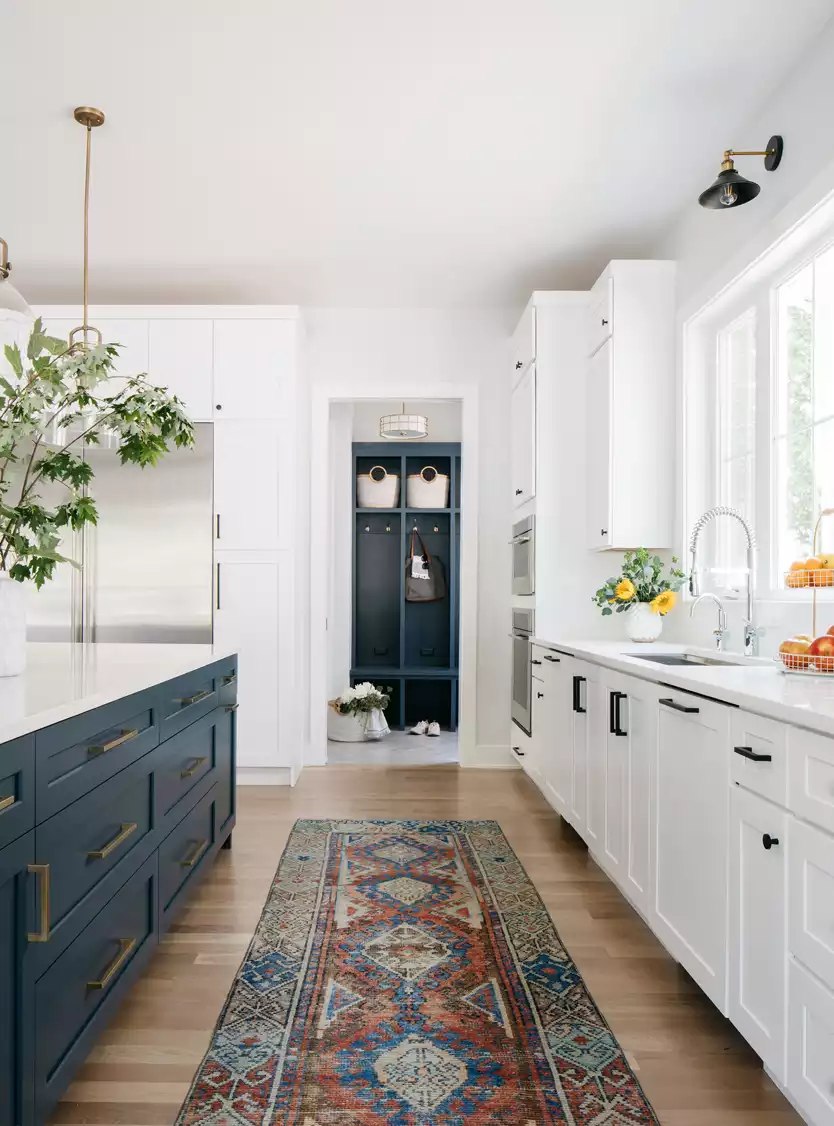
Furst Ranch developer marketing photography. Interior inspiration; finishes and upgrades vary. Image source
Start with the money your sale could leave
Say you’re choosing between a finished home at Furst Ranch and a build that gives you more time to sell. The useful number is how much cash you could have after the sale of your current home. That is your estimated net proceeds. Start with a plausible sale price, subtract what must be paid at closing, and write down what you want to keep available for the move and after it.
On November 14, Shaddock Homes listed its Lakeside at 1836 Acoma Way as move-in ready for $1,058,000. An earlier builder capture showed that home under construction at the same asking price. A home becoming ready can change your choices if you need the proceeds from a sale to buy it. Before committing to a closing date or builder payment, check how much of the money for the next home actually depends on your sale.
Ask for a payoff through the expected closing date
Open your latest mortgage statement and write down the balance as a starting point. Then ask your mortgage servicer for a payoff quote through the expected closing date. The Consumer Financial Protection Bureau explains that the payoff can include interest up to the date the loan is paid and other amounts owed. If you have a second mortgage or a home equity line, ask the closing team what it needs to confirm those amounts too.
Keep the payoff quote’s expiration date beside the amount. If you change the closing date, ask whether the quote needs to be refreshed. Pull out any separate payoff letters or records you already have and let the title team know about them early. Share account details only through a secure channel approved by the lender or title company.
Run a second sale price before setting your purchase budget
Ask for an estimate showing likely sale proceeds and the amounts that would come out at closing. Review the mortgage payoffs, agreed commissions, potential seller concessions, any applicable tax or HOA adjustments, and other closing charges with your agent and title team. Keep possible prep or moving expenses in the same worksheet and mark whether you will pay them before, at or after closing.
Here is a simple illustration with made-up numbers. A $600,000 sale less $350,000 in payoffs and $35,000 in estimated selling costs gives you $215,000 before moving expenses or reserves. At a $575,000 sale price with the same payoffs and costs, the estimate is $190,000. In your own worksheet, recalculate costs that change with the sale price and add any concessions you might offer.
Set aside a reserve and compare where the cash fits
Decide what you want to keep for moving, temporary housing if needed, and expenses after closing. Then ask the lender on your next purchase what funds it needs verified and when. If you are comparing a completed home with a custom build, write down when each option asks for money, including lot or design deposits and any amounts due at closing. Ask each builder to identify those payments in writing.
If you are waiting on a future estate homesite, leave the purchase amount and payment dates blank until a builder or developer releases terms for a specific lot. The developer still lists Cross Timbers as a future phase. You can estimate proceeds from your current home now and update the worksheet when a specific purchase becomes available.
Sources & context
Checked for this article. Dates of publication and events are separate; an undated source is not a new announcement.
- CFPB mortgage payoff guideChecked 2026-11-14 · Source publication: not displayed
- CFPB sample seller Closing DisclosureChecked 2026-11-14 · Source publication: not displayed
- Shaddock Homes Furst Ranch inventoryChecked 2026-11-14 · Source publication: not displayed
- Partners in Building Argyle inventoryChecked 2026-11-14 · Source publication: not displayed
- Furst Ranch developer neighborhood phasesChecked 2026-11-14 · Source publication: not displayed